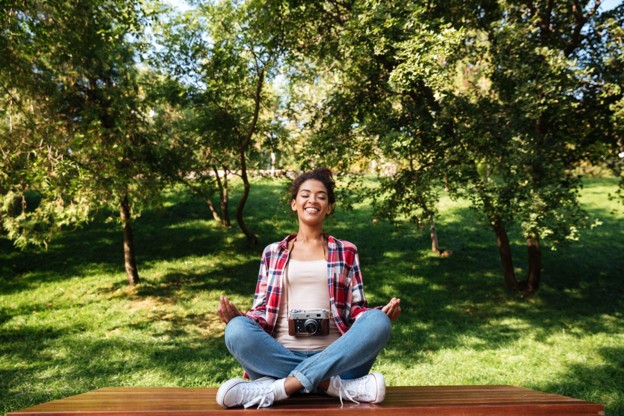
Finding opportunities to spend time outdoors can have a positive impact on daily life, and Tim Kealy recognizes that even simple outdoor activities often help individuals feel more refreshed, focused, and connected to their surroundings. While modern life frequently involves long hours spent indoors, making time for nature and fresh air can support both physical and mental well-being.
Outdoor experiences do not have to involve major adventures or extensive travel. Often, a short walk, a visit to a local park, or time spent enjoying natural surroundings can provide meaningful benefits that contribute to a healthier lifestyle.
Why Fresh Air Matters
Many daily activities take place indoors, whether at home, in offices, or while using technology. Spending time outside offers an opportunity to step away from enclosed environments and enjoy a change of scenery.
Fresh air may help support:
- Improved relaxation
- Greater mental clarity
- Increased energy levels
- Reduced feelings of stress
- Enhanced overall comfort
Even brief periods outdoors can create a welcome break from routine responsibilities and daily distractions.
The Benefits of Physical Movement Outdoors
Outdoor activities often encourage movement in ways that feel natural and enjoyable. Whether someone chooses to walk, hike, cycle, or participate in recreational activities, spending time outdoors frequently combines exercise with exploration.
Popular outdoor activities include:
- Walking through local neighborhoods
- Exploring nature trails
- Gardening
- Cycling
- Visiting community parks
Regular movement can support physical wellness while helping individuals maintain an active lifestyle.
How Nature Encourages Relaxation
Natural environments often provide a sense of calm that can be difficult to replicate in busy indoor settings. The sights, sounds, and rhythms of nature may help people slow down and focus on the present moment.
Many individuals enjoy outdoor settings because they offer the following:
- Quiet surroundings
- Scenic views
- Opportunities for reflection
- Reduced distractions
- A change from daily routines
These experiences can contribute to a greater sense of balance throughout the day.
Why Outdoor Time Can Support Mental Well-Being
Many factors, including daily habits and environmental surroundings, influence mental well-being. Spending time outdoors often provides an opportunity to step away from ongoing demands and recharge mentally.
Outdoor experiences may help promote:
- Improved focus
- Better mood
- Reduced mental fatigue
- Increased mindfulness
- Greater emotional balance
Taking occasional breaks outside can be a simple way to create space for relaxation and reflection.
The Value of Exploring Local Communities
Spending time outdoors can also encourage people to engage more with their local communities. Parks, walking paths, outdoor markets, and public events often provide opportunities to discover new places and experiences.
Community-focused outdoor activities may include the following:
- Visiting local parks
- Attending seasonal events
- Exploring neighborhood trails
- Participating in outdoor recreation
- Supporting community gatherings
These activities can help individuals feel more connected to the places where they live.
Why Outdoor Time Encourages Healthy Routines
Healthy habits are often easier to maintain when they become part of a routine. Scheduling time outdoors can help create structure while providing a positive activity to look forward to each day.
Simple outdoor habits might involve:
- Morning walks
- Evening strolls
- Weekend park visits
- Outdoor exercise sessions
- Gardening projects
Consistent routines can help make outdoor activity a natural part of everyday life.
The Connection Between Nature and Creativity
Many people find that spending time outdoors helps refresh their thinking and encourages creativity. Stepping away from screens and workspaces may provide an opportunity to gain new perspectives and generate fresh ideas.
Outdoor environments can support the following:
- Creative problem-solving
- Mental clarity
- New inspiration
- Improved concentration
- Productive reflection
These benefits can be valuable for both personal and professional pursuits.
How Outdoor Activities Support Social Connection
Outdoor settings often provide opportunities to spend time with family, friends, and community members. Shared experiences in parks, recreational areas, and public spaces can strengthen relationships while encouraging active lifestyles.
Examples of social outdoor activities include:
- Family walks
- Community events
- Recreational sports
- Group fitness activities
- Picnics and gatherings
These interactions can contribute to stronger personal connections and a greater sense of community.
Why Unplugging From Technology Can Be Beneficial
Technology plays an important role in modern life, but constant connectivity can sometimes feel overwhelming. Spending time outdoors may provide a healthy opportunity to take a break from screens and digital distractions.
Benefits of unplugging occasionally may include:
- Improved focus
- Better relaxation
- Increased awareness of surroundings
- Enhanced personal interaction
- Greater appreciation for the present moment
Even short periods away from technology can help create a more balanced daily routine.
Making Outdoor Time Accessible
One of the advantages of outdoor activities is that they do not necessarily require extensive planning or specialized equipment. Many people can find simple ways to enjoy the outdoors close to home.
Accessible outdoor activities may include:
- Walking around the neighborhood
- Visiting a nearby park
- Reading outside
- Enjoying a local green space
- Taking breaks on a patio or porch
Small efforts can often provide meaningful benefits without requiring significant time commitments.
The Importance of Balance
Outdoor activity works best when it becomes part of a balanced lifestyle. Combining time outdoors with healthy habits, meaningful relationships, and personal interests can contribute to overall well-being.
Maintaining balance may involve:
- Prioritizing physical activity
- Making time for relaxation
- Staying connected with others
- Exploring new experiences
- Creating healthy daily routines
These habits often work together to support long-term wellness.
Final Thoughts
Spending time outdoors can improve everyday well-being by encouraging physical activity, supporting mental clarity, and providing opportunities to relax and reconnect with the surrounding environment. While outdoor experiences do not need to be elaborate, even simple activities can contribute to a healthier and more balanced lifestyle.
By making outdoor time a regular part of daily routines, individuals may discover meaningful ways to support both physical and emotional well-being while enjoying the benefits of fresh air, movement, and natural surroundings.